


-

Add: HeBei ShengShi HongBang Cellulose Technology CO.,LTD.
-

Email
13180486930@163.com -

CONTACT US
+86 13180486930




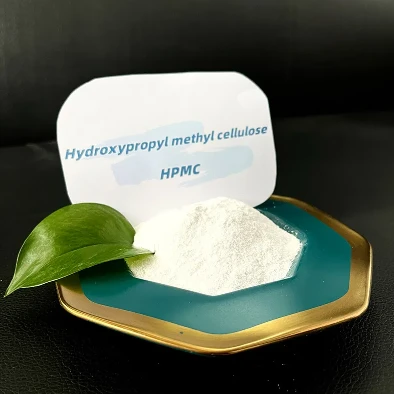
Unlocking the Benefits of Purchasing HPMC A Comprehensive Guide Hydroxypropyl Methylcellulose (HPMC) is a versatile material with applications spanning from construction to pharmaceuticals and beyond. Understanding the ins and outs of purchasing HPMC can significantly impact the efficiency and cost-effectiveness of your project. This guide offers insightful tips based on real-world experiences, expert knowledge, and authoritative insights into the procurement of HPMC, ensuring that your purchase is both economical and practical. The Importance of HPMC in Diverse Industries HPMC has gained a reputation for its multifunctional properties. For construction, it improves workability, water retention, and adhesion in cement-based products. In pharmaceuticals, it acts as a binder and controlled-release agent in tablet formulations. This wide range of uses underscores the product's relevance and the necessity for careful selection for specific applications. Selecting the Right Supplier The first step in purchasing HPMC involves identifying a reputable supplier. Experience counts; therefore, consider suppliers with extensive backgrounds in chemical distribution. Investigate their track record, client feedback, and quality control processes. Proactive communication is key . A trustworthy supplier should offer transparency about their sourcing, production processes, and any certifications they hold, such as ISO or GMP, assuring you of their commitment to quality. Quality Considerations Not all HPMC is created equal; variations in viscosity, particle size, and purity can affect performance. Expertise and detail-oriented assessment are crucial. Request samples before making a bulk purchase to evaluate the product's quality under your specific conditions. Laboratory testing or small-scale trials can provide insights into the material's behavior in your application, ensuring it meets your expectations. Cost vs. Value comprar hpmc While negotiating for competitive pricing, don't undermine the long-term value that high-quality HPMC represents. Balancing budget constraints with quality requirements ensures that the material will perform as needed, avoiding potential remediation costs or project delays. Take into account not only the purchase price but also factors such as shipping, handling, and potential import duties, which can add to the overall expenditure. Regulatory Compliance Different regions may have specific regulatory requirements for chemicals like HPMC. Confirm that the product adheres to all relevant industry standards and regulations in your area. Suppliers should provide compliance documentation and support any verification processes. This guarantees that your use of HPMC is within legal parameters and maintains the integrity and reputation of your project or product. Environmental and Ethical Considerations In today’s conscientious business landscape, the ethical sourcing and environmental impact of your materials cannot be overlooked. Choose suppliers who prioritize sustainability, monitoring their environmental impact and enforcing ethical labor practices throughout their supply chain. Not only does this align with responsible business practices, but it also enhances your brand’s reputation and potentially its market share. Leveraging Expertise Consulting with industry experts or engaging with professionals who specialize in material science can offer invaluable insights. Their experience can highlight potential pitfalls and innovative uses of HPMC that you might not have considered. Being open to learning from seasoned practitioners can significantly streamline the decision-making process and optimize the performance of your end product. By adhering to these principles, purchasing HPMC becomes a strategic process that enhances your project's efficiency and reliability. The combination of informed supplier selection, stringent quality assessment, compliance checks, and environmental considerations ensures that your investment in HPMC supports your business's long-term goals and values. Embrace the opportunity to leverage expert insights and create a reliable framework for your material procurement strategy.
- 40000tons

Production
- 20+years

Experience
- 5000+㎡

Acreage

-
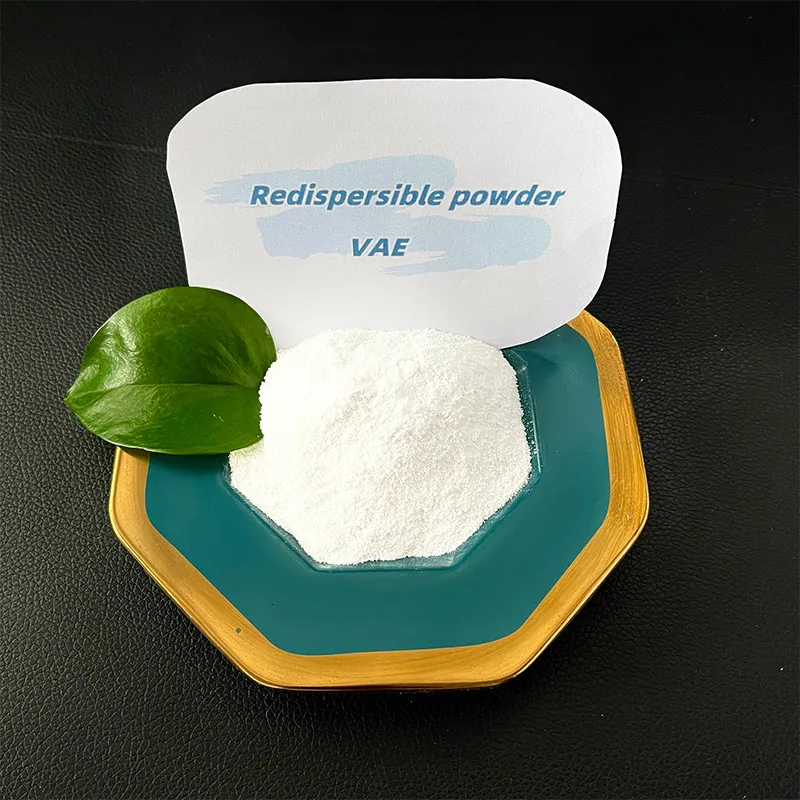
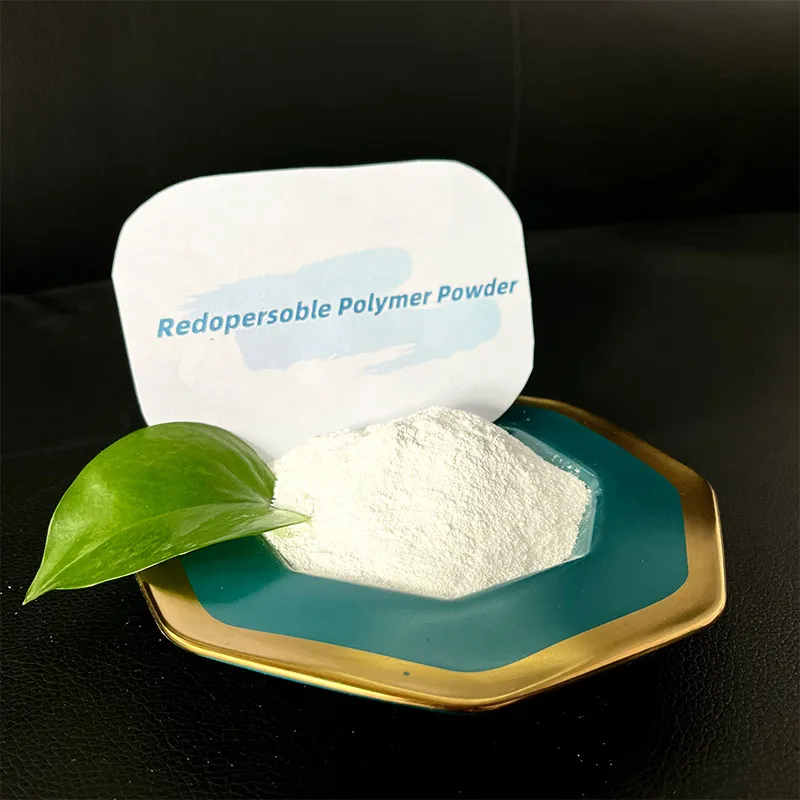
In the urgent pursuit of greener building practices, redispersible polymer powder (RPP) emerges as a transformative additive, redefining the environmental footprint of modern construction materials. Produced through energy-efficient spray-drying of polymer emulsions—typically polyvinyl acetate powder or acrylic copolymers—these powders form protective, dust-free particles that reactivate instantly upon water contact. Unlike solvent-based alternatives, RPP eliminates volatile organic compound (VOC) emissions while enhancing mortar performance, bridging the gap between ecological responsibility and structural excellence. Its integration into cementitious systems reduces raw material consumption, minimizes waste, and extends building lifespans, positioning it as a cornerstone of circular construction economies.This article may help you understand the relevant content. Redispersible Polymer Powder : The Engine of Low-Carbon Mortars Redispersible polymer powder acts as a molecular glue within dry-mix formulations. When water is added, the powder redisperses into a cohesive film that binds cement particles and aggregates, dramatically improving adhesion, flexibility, and water resistance. Crucially, its production via spray-drying consumes less energy than liquid polymer emulsions due to eliminated transportation weight and refrigeration needs. Leading eco-formulations incorporate recycled polyvinyl acetate powder from post-industrial PVA waste, reducing virgin plastic demand. In tile adhesives, just r edispersible polymer powder content replaces 15% cement volume, slashing carbon emissions per ton of mortar. Furthermore, r edispersible polymer powder -modified mortars exhibit less shrinkage, preventing cracks that compromise thermal insulation—effectively lowering building energy loads over decades of use. Polyvinyl Acetate Powder : The Biodegradable Backbone Polyvinyl acetate powder (PVA-P), a dominant r edispersible polymer powder variant, offers unique sustainability advantages. Derived from acetic acid and ethylene—increasingly sourced from bio-based feedstocks—it demonstrates partial biodegradability in landfill conditions, unlike purely synthetic polymers. When used in plasters or renders, PVA-P’s polar molecular structure enhances hydrogen bonding with cellulose fibers (for example: recycled paper waste), creating lightweight composites with 40% lower embodied carbon than traditional gypsum boards. Its alkali resistance prevents degradation in cement matrices, ensuring long-term durability. Innovations like "self-deactivating" PVA-P break down photolytically after demolition, addressing microplastic concerns. Case studies show PVA-P-based exterior insulation finishing systems maintaining R-values 30% longer than conventional systems due to reduced crack-induced thermal bridging. Polymer Powder Innovations: Closing the Resource Loop Advanced polymer powder technologies now prioritize cradle-to-cradle design. Pioneering manufacturers utilize industrial carbon dioxide emissions during polymerization, sequestering carbon within the powder itself. Post-consumer construction waste is milled into "reactive filler powders" that hybridize with r edispersible polymer powder , creating mortars with 50% recycled content without sacrificing compressive strength. For moisture-sensitive applications (example:wood-wool acoustic panels), hydrophobic polymer powder variants incorporate silane modifiers, eliminating toxic waterproofing coatings. In prefabrication, RPP-enabled rapid-setting mortars cut energy-intensive curing, while powder flow additives like rice husk ash prevent clumping—replacing synthetic silica. Third-party certifications validate these closed-loop systems, with some RPPs achieving negative carbon footprints via verified carbon credits. As the dominant base polymer in RPP systems, polyvinyl acetate powder offers unparalleled ecological advantages. Its synthesis from acetic acid and ethylene creates inherently low-toxicity chains, unlike acrylics requiring styrene or butadiene. When plasticized with bio-based agents like acetyl tributyl citrate, polyvinyl acetate powder delivers flexibility comparable to petrochemical alternatives with 70% lower ecotoxicity. In tile adhesives, PVAc-based RPP enables thinner applications – reducing material consumption while maintaining superior shear strength. Recent breakthroughs include PVAc powders grafted with cellulose nanofibers, boosting bond strength while using less cement. FAQs about Demystifying redispersible polymer powder Sustainability Does redispersible polymer powder compromise mortar strength? No. R edispersible polymer powder enhances tensile strength and flexural strength while reducing brittleness. It allows cement reduction without performance loss, directly lowering carbon intensity per square meter of construction. Can polyvinyl acetate powder withstand prolonged UV exposure? Unmodified PVA-P degrades under UV; however, most construction-grade powders integrate UV-stabilizing nano-titania or zinc oxide during spray-drying. Is polymer powder recyclable after demolition? Yes. Advanced sorting technologies separate RPP-mortar debris for reuse. Crushed material serves as reactive aggregate in new mixes, while extracted polymer chains are re-powdered via solvent-free mechanochemical processes. How does redispersible polymer powder reduce water consumption? By improving workability and cohesion, redispersible polymer powder cuts mix water requirements by 15–20%. Its hydrophobic properties also decrease curing frequency, saving thousands of liters on large sites. Are bio-based polymer powders commercially viable? Absolutely. Leading suppliers offer redispersible polymer powder from bio-acetic acid and ethylene. Though currently 10–15% costlier, lifecycle analyses confirm 50% lower ecosystem toxicity versus petroleum-based powders. Redispersible polymer powder transcends its role as a performance enhancer, emerging as an ecological imperative in construction chemistry. By merging the functional excellence of polyvinyl acetate powder with radical resource efficiency, it enables mortars that build resilient structures while healing planetary systems. For architects and builders, adopting these powders is no longer optional; it’s the foundation of building a world that endures. If you are engaged in the relevant industry, you can seriously consider our company. There is no time to lose. Don't let bad materials hold you back from your work.
-
The pharmaceutical industry increasingly relies on advanced polymer solutions for efficient drug formulation. Ethyl cellulose powder stands out as a premier binder, offering unparalleled control over drug release rates and tablet integrity. As wholesalers, we provide bulk quantities of this critical excipient alongside complementary materials like re dispersible polymer powder , redispersible powder , ldpe powder , and polylactic acid powder to streamline your production pipeline. Our global supply chain ensures consistent quality and volume scalability for industrial manufacturers seeking reliable excipient solutions that meet rigorous pharmacopeial standards without compromising batch-to-batch consistency. Redispersible Powder and Re Dispersible Polymer Powder: Dual Forces in Drug Encapsulation Pharmaceutical innovators leverage redispersible powder and re dispersible polymer powder to enhance drug stability and bioavailability. These powders form flexible film coatings that protect active ingredients from degradation, enabling targeted release profiles. When combined with ethyl cellulose powder , they create hybrid matrices for extended-release tablets – significantly reducing dosing frequency. Wholesale partnerships provide access to certified batches with controlled particle sizes essential for automated capsule-filling lines. Industrial-scale clients receive technical support for optimizing polymer ratios in granulation processes, minimizing production downtime. Advanced formulations offer enhanced moisture resistance for challenging climates where humidity compromises conventional binders. Bulk shipments include comprehensive documentation verifying international regulatory compliance for seamless market access across multiple regions. LDPE Powder: Revolutionizing Pharmaceutical Packaging Beyond drug formulation, ldpe powder transforms pharmaceutical packaging through molded blister packs and specialized containers. Its unique structure provides impact resistance while maintaining critical barrier properties for sensitive drugs. When blended with ethyl cellulose powder , it creates specialized caps with controlled release mechanisms. Wholesale volumes support just-in-time manufacturing for packaging lines, with custom processing services ensuring optimal flow characteristics. Sustainability initiatives now incorporate recycled ldpe powder without compromising barrier properties – meeting regulatory requirements while reducing environmental impact. Technical consultations cover processing adjustments for climate-specific stability, preventing material compromises during transit and storage under variable conditions. Polylactic Acid Powder: Sustainable Solutions for Medical Implants The rise of biodegradable medical devices positions polylactic acid powder as a cornerstone material for absorbable medical components. Its controlled degradation profile aligns with tissue regeneration requirements, while ethyl cellulose powder additives precisely modulate degradation kinetics. Wholesale procurement includes certified batches optimized for advanced manufacturing technologies – enabling cost-efficient production of specialized implants. Bulk pricing advantages apply to substantial orders of composite blends for specialized applications. Rigorous biocompatibility testing validates performance, with comprehensive batch traceability systems ensuring material integrity throughout the supply chain from production to end-use application. Ethyl Cellulose Powder: Multi-Industry Binding Innovations While dominant in pharma, ethyl cellulose powder excels in construction and agrochemical sectors. In specialized adhesives, it combines with redispersible powder to significantly improve material performance. Agrochemical producers use it for encapsulation applications, ensuring environmental resilience. Wholesale offerings include multiple viscosity grades suitable for various processing methods. Strategic global stockholding guarantees rapid emergency dispatch capabilities, with monitored bulk containers preventing environmental compromises. Collaborative R&D programs help clients reformulate legacy products – for example, substituting traditional binders with ethyl cellulose powder to meet evolving regulatory standards while maintaining performance characteristics in demanding applications. FAQs : Ethyl Cellulose Powder How does ethyl cellulose powder improve tablet dissolution profiles? By creating specialized matrices that control hydration rates, enabling controlled active ingredient release over prolonged periods without initial burst effects. Can ldpe powder be used in direct contact with pharmaceuticals? Specifically in packaging applications; pharmaceutical-grade ldpe powder meets regulatory requirements for protective barrier layers in drug containment systems. What distinguishes re dispersible polymer powder from conventional binders? Its unique ability to reform colloidal films after drying provides distinctive performance properties in coatings – a significant advantage over traditional binding agents. Is polylactic acid powder suitable for thermal processing? Specially modified grades withstand elevated processing temperatures for manufacturing, though crystallization behavior requires controlled thermal management protocols. Do you offer blended systems like ethyl cellulose powder redispersible powder ? Custom pre-mixed formulations are available for substantial orders, optimized for specific processing equipment and application requirements.
advantages
-

200000 Viscosities
Excellent product
We can produce pure products up to 200,000 viscosities
-

40000 tons
High yield
We don’t stop production all year round, and the annual output can reach 40,000 tons
-

24 hours
Quality service
We provide 24-hours online reception service, welcome to consult at any time
———— Inquiry Form
Schedule A services


-
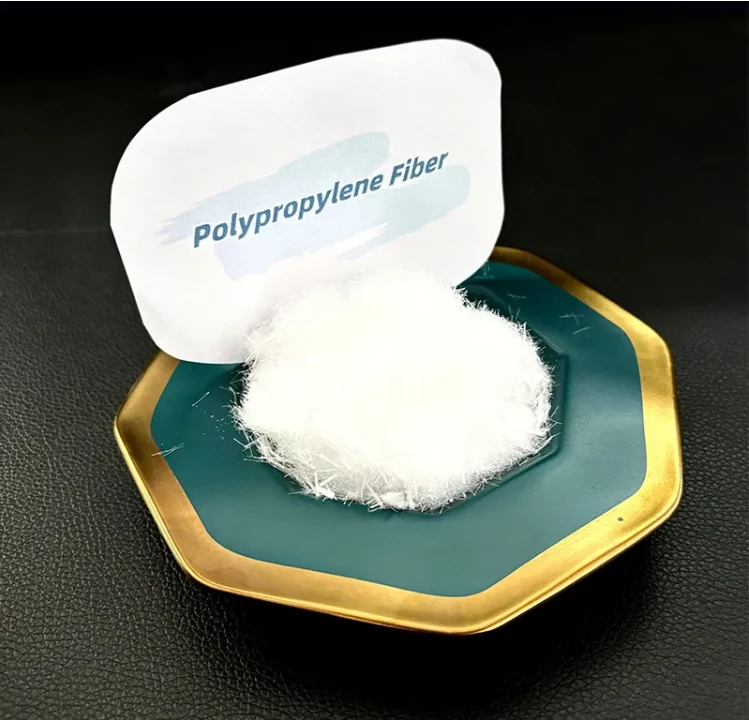 beton_arme_en_polypropylene
Oct . 25, 2025
Hydroxypropyl methylcellulose (HPMC), a multifunctional polymer, serves as a key excipient in tablet -
 a_polymer_clear_powder
Oct . 25, 2025
Understanding the distinctions between HPMC K and E series is critical for various industries, such -
 cellulose_ether_hpmc
Oct . 25, 2025
In the dynamic world of construction and interior finishing, the importance of time and precision ca


